
Author: John Sharp
-
Cat Fence – Your cat is no longer in charge!
Any cat owner knows that cats love to be in charge but you can take some control back with our Hidden Cat Fence. Your home is their castle and in true regal style your cat thinks they are the King or Queen of the castle with the right to explore, command and occupy every nook…
-
What are the different types of dog training collars?
There are many different types of dog training collars available to assist dog owners in training or conditioning their dogs to behave in a desirable manner. It makes perfect sense to use all the tools and techniques available to you to teach your dog acceptable behaviour. Dog training collars are a very useful training tool…
-
When should you shock a dog with a shock collar?
We often get asked when people phone to enquire about our products and services if we have shock collars for dogs and when should you shock a dog with a shock collar? These questions are asked because dog or cat owners are having a behavioural problem they want to address and because the term shock…
-
Do I really need a dog fence?
When buying a dog or adopting a dog it is important to ask yourself the question, “Do I need adog fence?” To answer this question you need to consider: The type of dog you have The type of dog you have will guide your decision around the type of pet fence you need. If you…
-
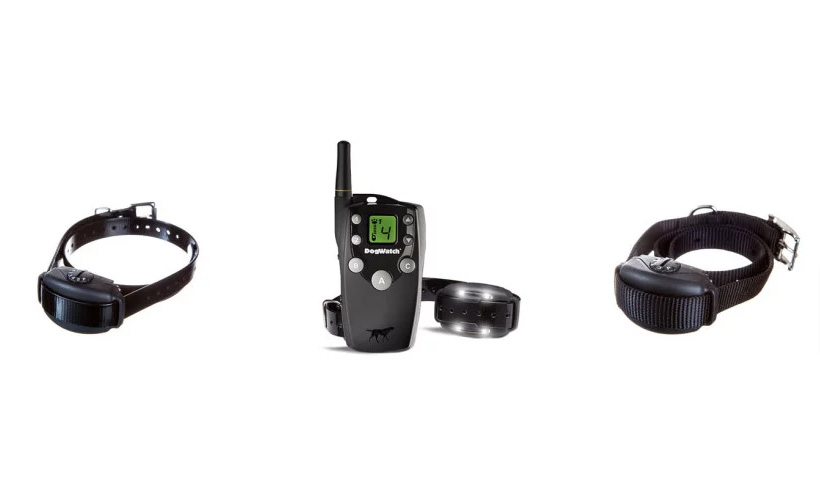
What are dog training collars and how do they work?
Dog training collars have become a very popular adjunct to traditional dog training methods. Dog training collars can be used to assist dog trainers to improve communication with their dogs. Dog training collars come in a variety of options, each with its own unique features. Professional dog trainers, as well as everyday Mum and Dad…
-
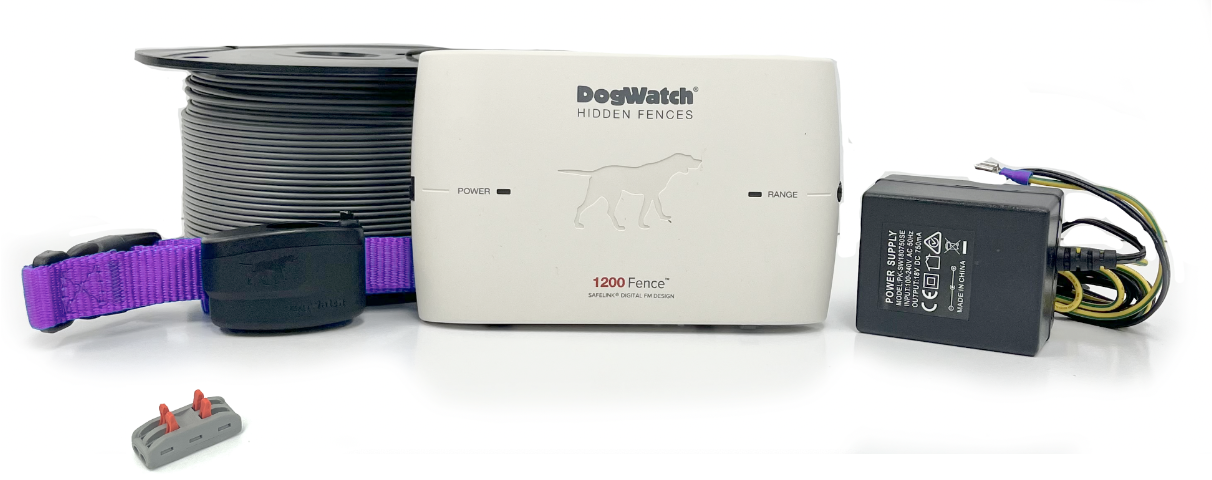
What is a dog boundary collar?
Dog boundary collars are a relatively new method of containment for dogs. Over the last decade, the use of dog boundary collars has increased dramatically to provide an invisible fencing system for dogs. There are many different types of dog boundary collars so it is important to choose a system that fits in with your…
-
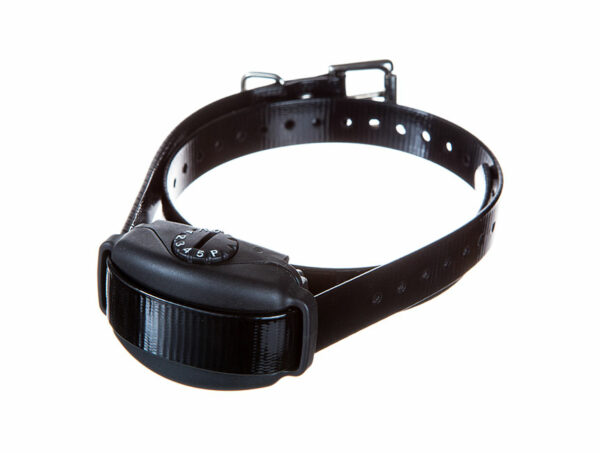
Is a bark collar the same as an anti-barking collar?
Our Bark Collar and anti-barking collar have evolved over the last couple of decades to address the problem of dogs barking excessively. It’s only natural for dogs to bark when they are excited or feel threatened. However, sometimes dogs get in the habit of barking too much when they are bored, frustrated or looking for…
-
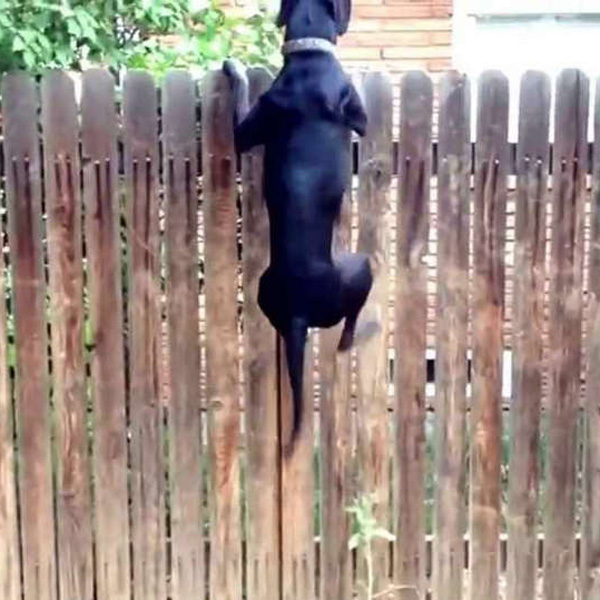
5 Different Types of DIY (Do it yourself) Dog Fences
DIY Dog Fences are a popular choice for pet owners because do it yourself dog fences are generally cheaper to build. Doing the work to build the fence yourself greatly reduces the labour cost of the dog fence, often reducing it to $0. There is often a financial advantage around the material cost of your…
-

How to use a DIY Cat Fence to keep your cat at home
If you are a cat owner, you will already know that cats are curious creatures who love to explore their environment, sniffing out interesting smells and rubbing their paws on objects to leave their scent. They also are natural hunters who can easily scale backyard fences in their hunting pursuits. Consequently, cat owners are faced…
-

What’s the difference between an invisible dog fence and a normal dog fence?
With new invisible dog fence technology gone are the days when we allowed our dogs to roam freely throughout the neighbourhood, free from boundaries and fences. With ever-increasing urbanisation, responsible dog owners have had to address the need for dog fencing to keep their beloved pets safe. Traditionally, pet fences have been made from timber,…
-

How Hidden Electronic Dog and Cat Fences have evolved from traditional electric fencing.
These days we have Hidden dog and cat fences’s but it wasn’t always the way. The history of electric fences goes back a long way. In 1886 the electric fence was first patented by David H Wilson in America. The electric fence patent included a system of protection, an alarm bell and telecommunications. However, this…
-
Aversives
When we apply an aversive to a dog we are talking about the application non-injurious physical force applied to the dog at or slightly above the dog’s threshold of discomfort as evidenced by a small yip or yelp. Whilst some people prefer to use the words ‘punishment’ or ‘correction’ instead of aversives, I prefer not…
-
Were first dogs our best friends, or mutant vermin? The tale wags on
Clive D.L. Wynne heads up Arizona State University’s Canine Science Collaboratory and is director of research at Wolf Park in Indiana. GAINESVILLE, Fla. — Dogs are traditionally seen as “man’s best friend,” but an expert on canine cognition says the origin of the species may not have been all that warm and fuzzy: Dogs could…
-
The characteristics of electronic training collars for dogs
J. A. Lines, K. van Driel, J. J. Cooper A wide range of electronic dog training collars (e-collars) is available in the UK, but information enabling purchasers to compare the important characteristics of these collars is not available. In this research, the electrical characteristics of 13 e-collar models were examined, and an approach to ranking the…
-
Dominance is alive and well so let’s get over it and understand what it’s all about
When I began studying dogs and other canids many years ago, I also was studying classical comparative ethology and getting ready to begin a field project on the social behavior and ecology of coyotes living in the Grand Teton National Park that went on for almost nine years. I retained my interests in learning about the…
-
Force
An article by Grant ‘The Paw Man’ Teeboon Force is one of the most misunderstood aspects of canine communication. Many a time I have had quite heated exchanges with people who are positive-only trainers who are vehemently against the application of force to a dog…well they ‘think’ they are against the application of force to…